
- Raymond mill processing calcium oxide
- Raymond Mill for Processing Clay
- Ore grinding mill
- Fluorite grinding mill
- Correct Operation of Raymond Mill: A Complete Guide for Efficiency and Safety
- Vertical grinding mill processes calcium carbonate
Telephone:
+86-18290113988 (whatsapp) Kase
+86-13248239223 (whatsapp) Cecilia
+86-17317879223 (whatsapp) Fandi
+86-19921225405 (whatsapp) Luna
Email:sales@shcronus.com
Correct Operation of Raymond Mill: A Complete Guide for Efficiency and Safety
- Publication time:2026-01-08
- Click:86
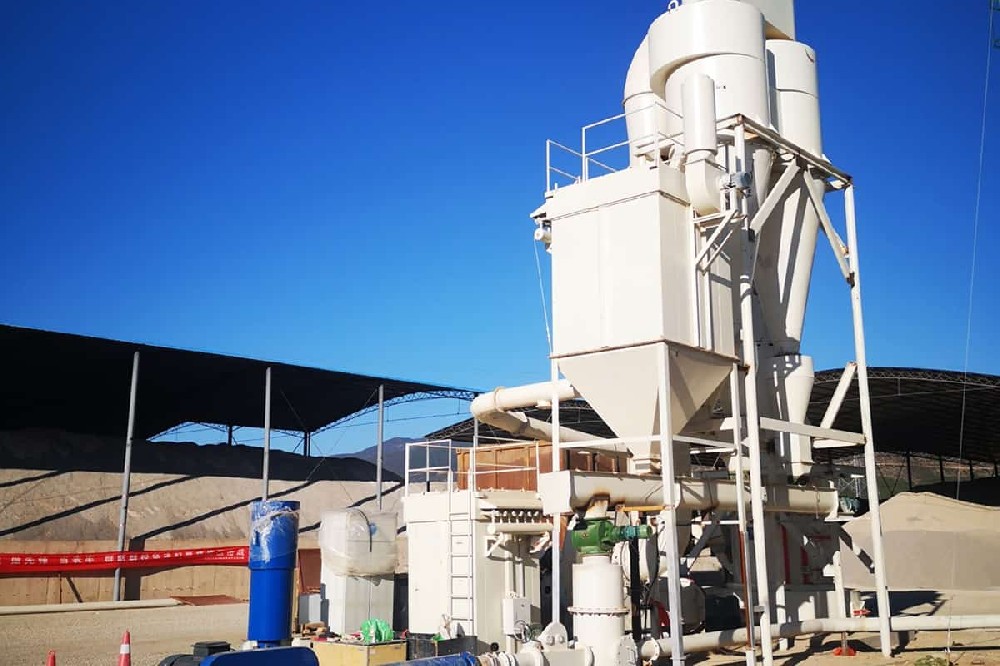
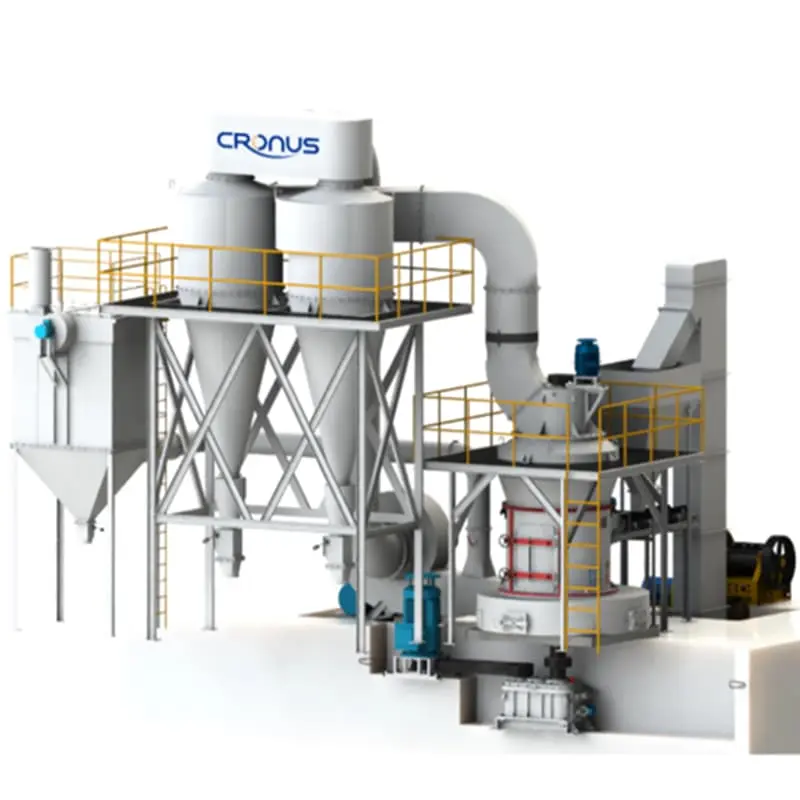
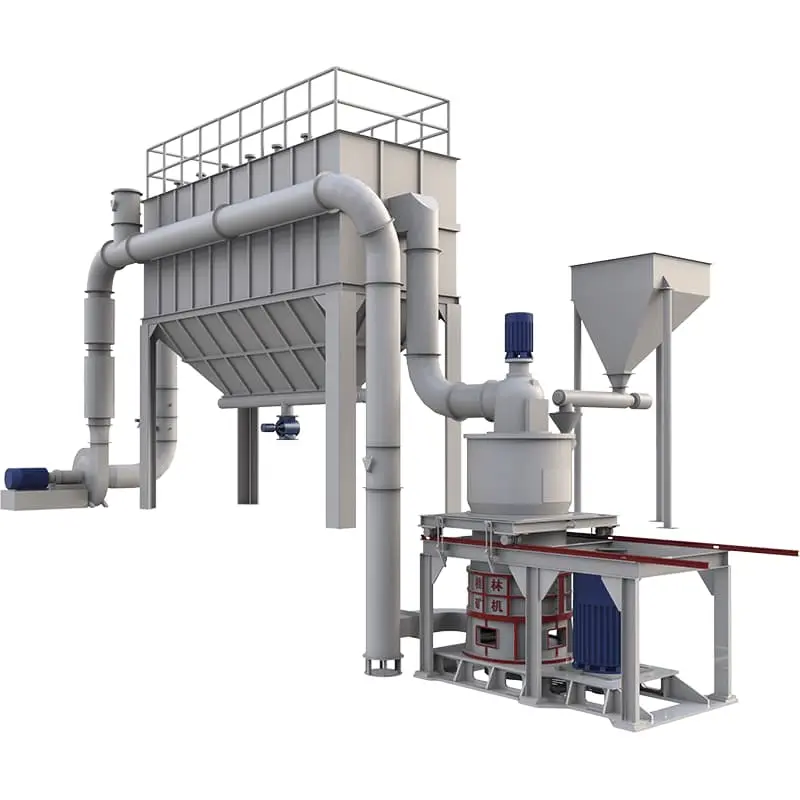
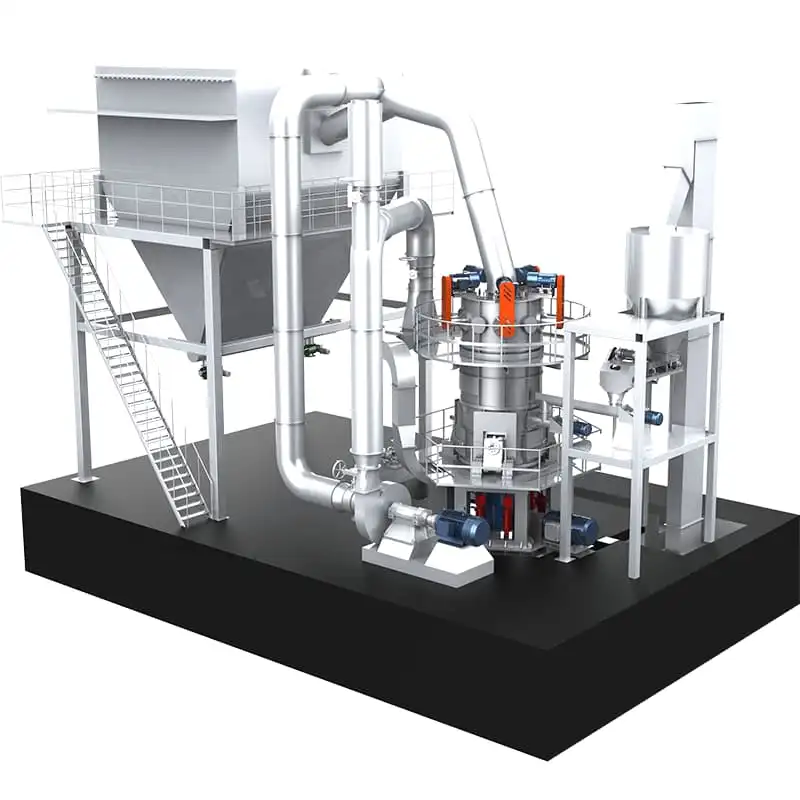
The proper operation of the Raymond Mill encompasses key stages: pre-startup checks, startup, runtime monitoring, shutdown, and daily maintenance. Each phase is interconnected and critical for equipment performance and operational safety. This guide outlines the correct procedures to ensure optimal, safe, and prolonged mill operation.
Pre-Startup: Laying the Foundation
Thorough preparation before startup is the prerequisite for stable operation.
Lubrication System: Often called the "lifeblood" of the machine. Check all lubrication points, including the main reducer and grinding roller bearing housings, to ensure oil is sufficient and clean. Adhere to regular change intervals.
Fasteners: Inspect for looseness in foundation bolts and other critical fasteners to prevent vibration-induced component damage.
Transmission Components: Check couplings and V-belts to ensure proper power transmission and correct belt tension.
Air Intake & Dust Collection System: Ensure air ducts are sealed properly. Verify that pulse-jet bag filter bags are intact and the cleaning system is functional to prevent dust emission and ventilation issues.
Classification System: Check the classifier blades, rotation direction, and the variable frequency drive or speed control motor to guarantee finished product fineness.
General Cleanliness: Remove any debris, tools, or residual material from inside and outside the equipment to prevent blockages.
Wear Parts & Manual Rotation: Inspect the wear condition of grinding rollers, grinding rings (liners), etc., and replace them promptly. Manually rotate the main motor pulley 2-3 turns to ensure no jamming or abnormal sounds.
Startup: Following the Reverse-Flow Sequence
Startup must follow the "reverse process flow" principle: Start from the end, begin the host after the fan, and feed material only after the host runs smoothly.
Start the finished product collection system (e.g., rotary air lock, packaging machine).
Start the dust collection system (pulse-jet bag filter and its induced draft fan).
Start the main classifier (analyzer) and set it to a lower speed initially (for coarser product).
Start the blower fan (Note: For some models, partially close the air inlet damper during startup, opening it once running smoothly).
Start the host (grinding mill).
Start the feeder. Begin feeding slowly and evenly about 30-60 seconds after the host runs stably. NEVER introduce a large amount of material at once.
Runtime: Multi-Dimensional Monitoring and Adjustment
Continuous operator supervision and precise adjustments are vital during operation.
Current Monitoring (Key Indicator):
Host Motor Current: Should ideally be stable at 85%-95% of the rated current. Low current indicates insufficient feed; high current (approaching or exceeding rating) signals overfeeding or hard material, risking blockage. Immediately reduce feed if current is too high.
Fan Current: Reflects air pressure/volume. A stable reading is normal; a sudden increase may indicate pipe blockage.
Classifier Current: Indicates load status.
Fineness Adjustment: Control product fineness by adjusting the classifier speed (Higher speed = finer product; Lower speed = coarser product). Synchronize with slight adjustments to feed rate and air volume to keep the host current in the efficient range.
Vibration & Noise Monitoring: Normal operation is smooth with uniform grinding sounds. Stop immediately in case of severe vibration, abnormal knocking, or metallic scraping. Causes may include tramp iron, loose bolts, unbalanced rollers, or bearing failure.
Temperature Monitoring: Regularly check temperatures of key components like the main reducer and bearings. Bearing temperature should generally not exceed 70°C.
Air Volume & Pressure Balance: Maintain the system under a slight negative pressure (typically no visible dust escaping at the feed inlet). Achieve this by adjusting the blower and dust collector fan dampers.
Shutdown: Following the Forward-Flow Sequence
Shutdown must follow the "forward process flow" principle: Stop from the front, halt feed and let the empty mill run, then stop the host before stopping the air.
Stop the feeder first.
Let the host run for 3-5 more minutes to grind and evacuate residual material until its current drops close to the no-load current. This prevents startup issues.
Stop the host.
Stop the blower fan.
Stop the classifier.
Finally, stop the dust collection system (fan and pulse cleaning).
Daily Maintenance: Ensuring Long-Term Health
Regular maintenance safeguards equipment and personnel.
Scheduled Lubrication: Follow the equipment lubrication chart strictly.
Regular Inspection & Replacement of Wear Parts: Maintain a wear log. Inspect grinding rollers, rings, shovel blades, etc., regularly. Replace rollers approximately every 500 hours, and replace the grinding ring after every two roller changes.
Material Control:
Feed Size: Must be within the specified range (typically 15-30mm).
Material Moisture: Should generally be below 6%.
De-ironing: A reliable iron remover must be installed before the feeder to protect the grinding chamber.
Safety First:
NEVER open inspection doors or perform cleaning/adjustments while the machine is running.
During maintenance, ALWAYS disconnect the main power supply and use lockout/tagout procedures.
Operators must wear appropriate Personal Protective Equipment (PPE).
Core Operational Philosophy:
Startup: Reverse-flow sequence.
Shutdown: Forward-flow sequence.
Operation: Feed evenly, monitor current constantly, adjust fineness/feed/air in unison.
Maintenance: Be diligent and meticulous.
Adhering to these procedures and consulting your specific Raymond Mill Operation Manual will ensure your equipment operates at peak performance, maximizing productivity and return on investment.

Telephone:
+86-18290113988 (whatsapp) Kase
+86-13248239223 (whatsapp) Cecilia
+86-19921225405 (whatsapp) Luna
+86-19921221418 (whatsapp) Li
Email:sales@shcronus.com
Back to Home

©2024 Shanghai Cronus Machinery Co,.ltd. All Rights Reserved. 沪ICP备2024089773号-1 XML地图
向下滚动页面显示"置顶"按钮...