
- Raymond mill processing calcium oxide
- Raymond Mill for Processing Clay
- Ore grinding mill
- Fluorite grinding mill
- Correct Operation of Raymond Mill: A Complete Guide for Efficiency and Safety
- Vertical grinding mill processes calcium carbonate
Telephone:
+86-18290113988 (whatsapp) Kase
+86-13248239223 (whatsapp) Cecilia
+86-17317879223 (whatsapp) Fandi
+86-19921225405 (whatsapp) Luna
Email:sales@shcronus.com
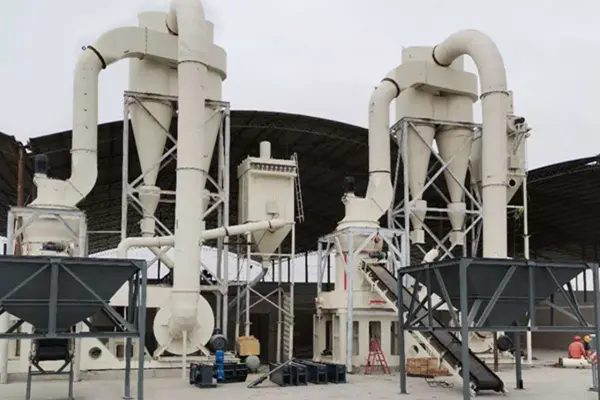
Raymond mill processing calcium oxide
- Publication time:2026-01-26
- Click:104
Why is Raymond Mill Suitable for Processing Calcium Oxide?
Hardness Compatibility
Calcium oxide has a Mohs hardness of approximately 3–4, while Raymond mills are theoretically capable of processing materials with a Mohs hardness up to 9.3. When processing calcium oxide, the equipment experiences minimal wear, operates stably, and has a long service life for components, thereby reducing overall production costs.
Adaptability to Material State
Calcium oxide (quicklime) used for grinding typically has a moisture content below 1%. Raymond mills require material moisture to be below 6%, so the low moisture state of quicklime allows for smooth grinding and prevents equipment clogging.
Applicability of Finished Product Particle Size
Calcium oxide is used in various fields requiring fineness between 80 mesh and 325 mesh. This range is where Raymond mills operate most efficiently and economically, meeting demands while achieving both efficiency and cost-effectiveness.
Closed System
Modern Raymond mills are equipped with pulse dust collectors to form a negative pressure closed-loop system. This efficiently collects calcium oxide powder, prevents dust from escaping, ensures high recovery rates and compliance with environmental standards, and maximizes resource utilization.
Key Considerations for Processing Calcium Oxide with Raymond Mills
Prevent Moisture and Water Contact
Raw materials should be stored in dry, ventilated warehouses with measures to protect against rain and moisture. All components of the grinding system must be tightly sealed to prevent humid air from entering. Compressed air used in the pulse dust collector must be dry to avoid filter bag caking and powder agglomeration.
Monitor Material Reactivity and Heat
Freshly produced calcium oxide is highly reactive and retains residual heat. If the temperature is too high, it should be cooled before entering the mill. Alternatively, dust collectors with high-temperature-resistant filter bags can be used.
Fire and Explosion Prevention
Calcium oxide dust poses an explosion risk. Ensure the equipment is well-grounded, the workshop is well-ventilated, and explosion-proof measures are in place.
Process Flow for Processing Calcium Oxide with Raymond Mills
Pre-treatment
Oversized calcium oxide particles are first crushed using a jaw crusher to facilitate subsequent handling by the bucket elevator and raw material silo.
Grinding and Classification
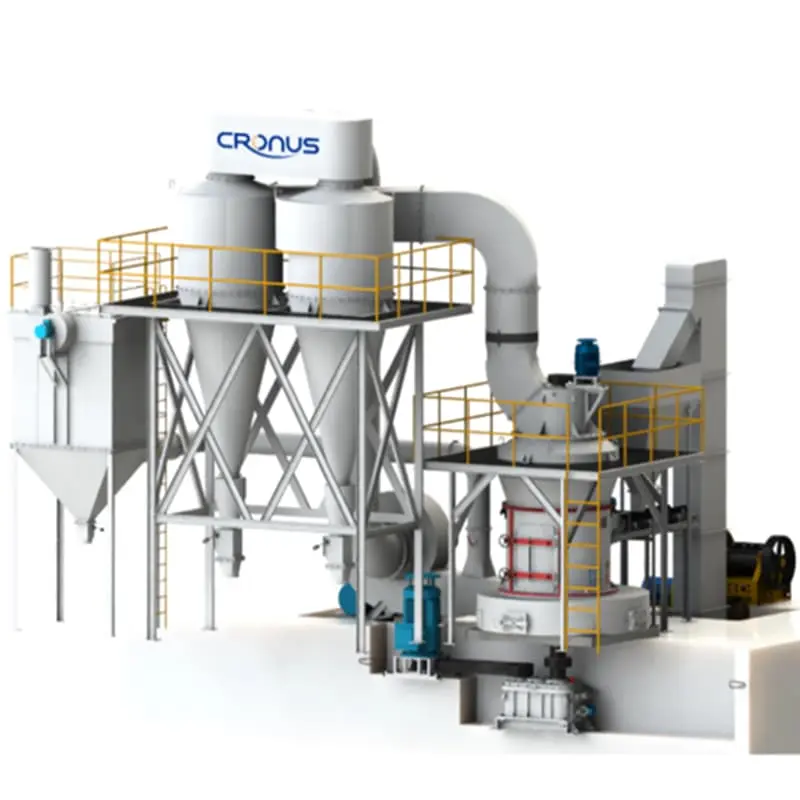
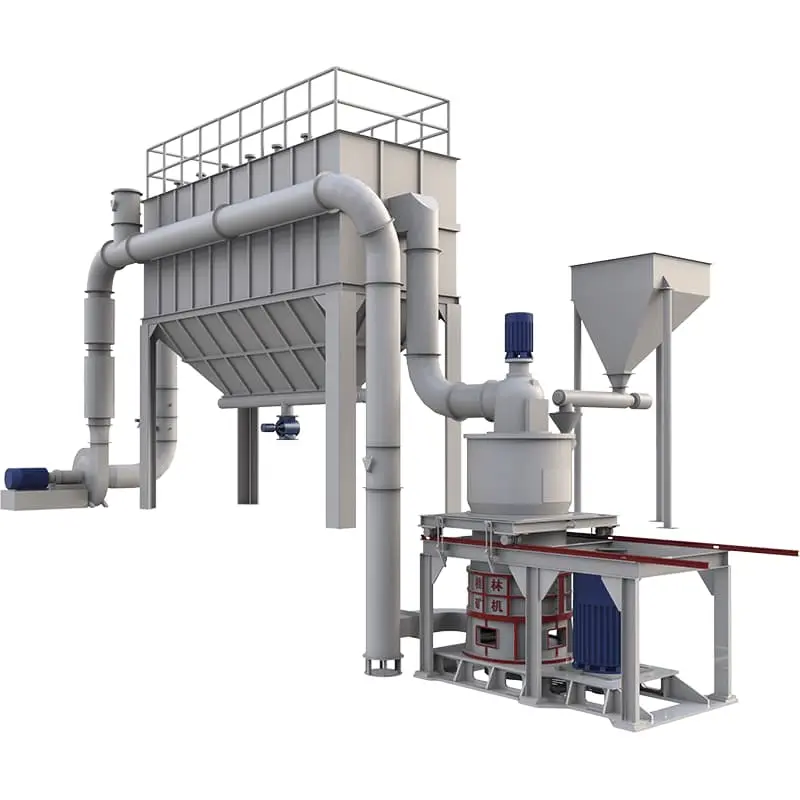
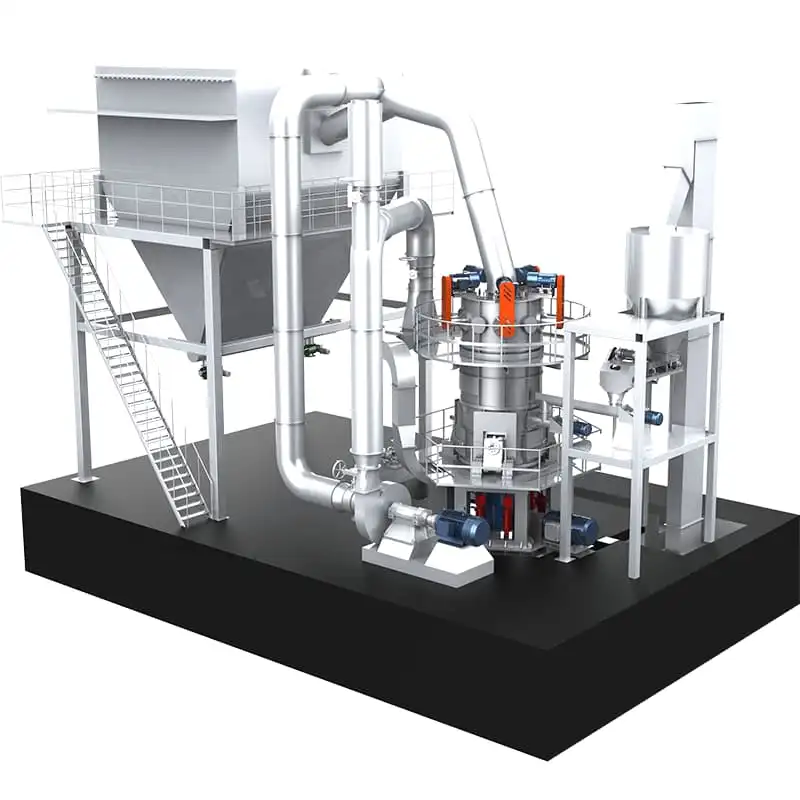
The pre-treated material is conveyed by a bucket elevator to the raw material silo, then fed into the main Raymond mill for grinding via an electromagnetic vibrating feeder. The crushed material is screened by an analyzer, with coarse powder returning to the grinding chamber for re-grinding and fine powder moving into the subsequent pipeline.
Collection and Dust Removal
The powder-laden airflow first enters a cyclone separator, where most of the fine powder is separated. Extremely fine dust particles then enter a pulse bag dust collector for interception and collection. Clean air is discharged, and the finished calcium oxide powder is collected for packaging and storage.
Summary
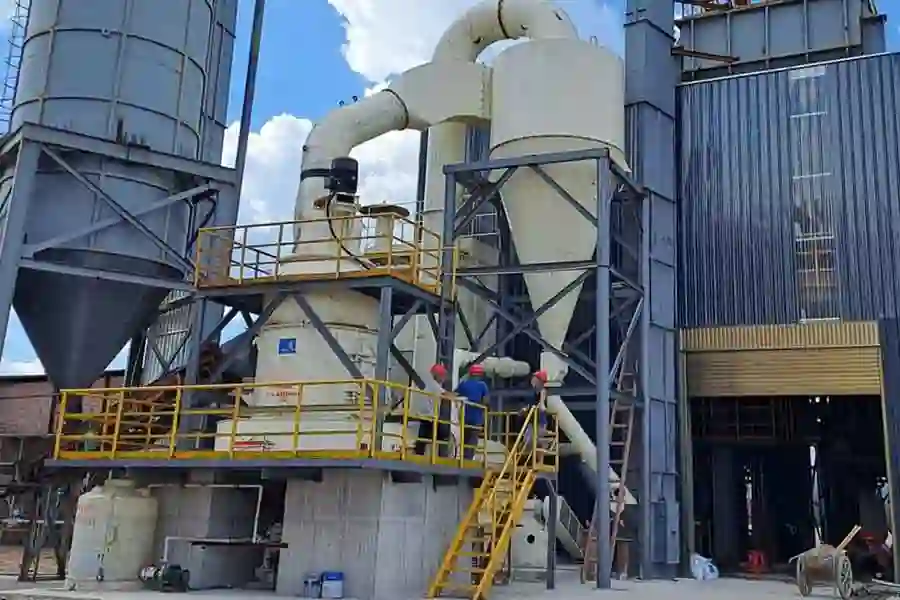
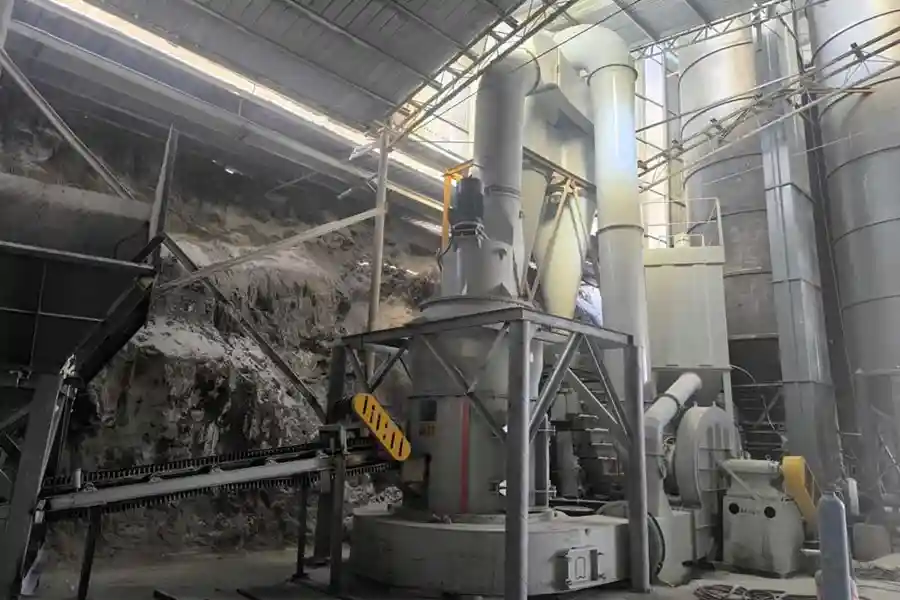
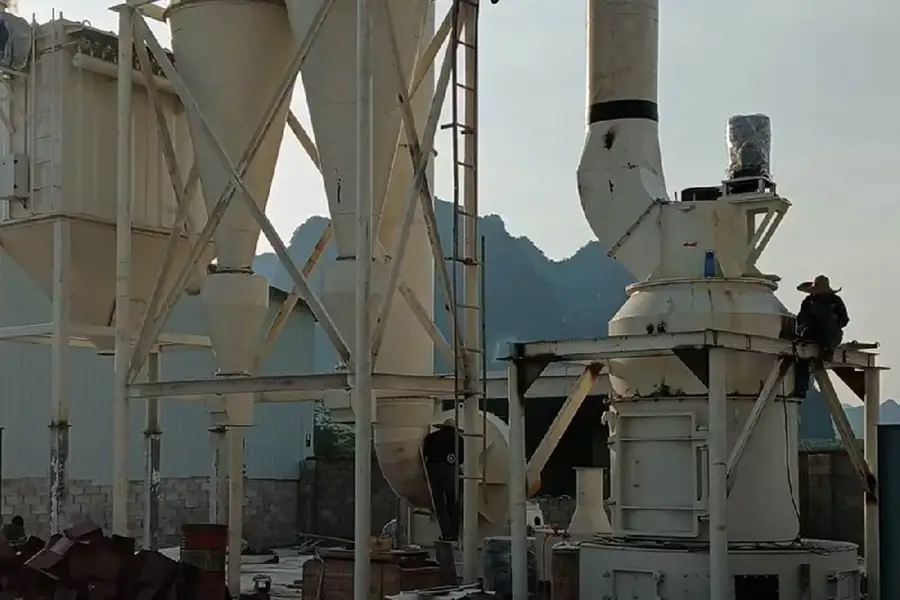
The Cronus Raymond mill is an ideal device for processing calcium oxide. It features mature technology, stable operation, and high cost-effectiveness. However, attention must be paid to moisture prevention, temperature control, and explosion prevention.
- Previous:没有了!
- Last:Raymond Mill for Processing Clay

Telephone:
+86-18290113988 (whatsapp) Kase
+86-13248239223 (whatsapp) Cecilia
+86-19921225405 (whatsapp) Luna
+86-19921221418 (whatsapp) Li
Email:sales@shcronus.com
Back to Home

©2024 Shanghai Cronus Machinery Co,.ltd. All Rights Reserved. 沪ICP备2024089773号-1 XML地图
向下滚动页面显示"置顶"按钮...