
- Raymond mill processing calcium oxide
- Raymond Mill for Processing Clay
- Ore grinding mill
- Fluorite grinding mill
- Correct Operation of Raymond Mill: A Complete Guide for Efficiency and Safety
- Vertical grinding mill processes calcium carbonate
Telephone:
+86-18290113988 (whatsapp) Kase
+86-13248239223 (whatsapp) Cecilia
+86-17317879223 (whatsapp) Fandi
+86-19921225405 (whatsapp) Luna
Email:sales@shcronus.com
Ore grinding mill
- Publication time:2026-01-19
- Click:111
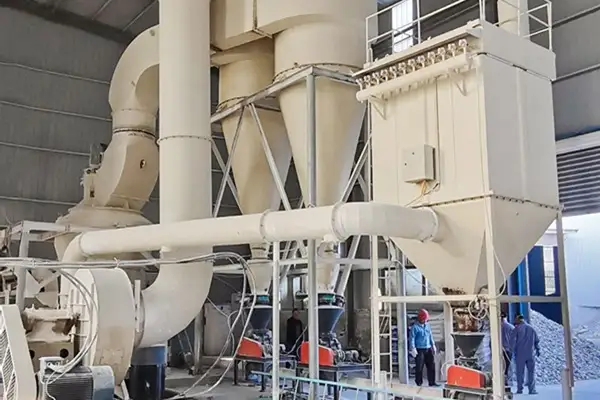
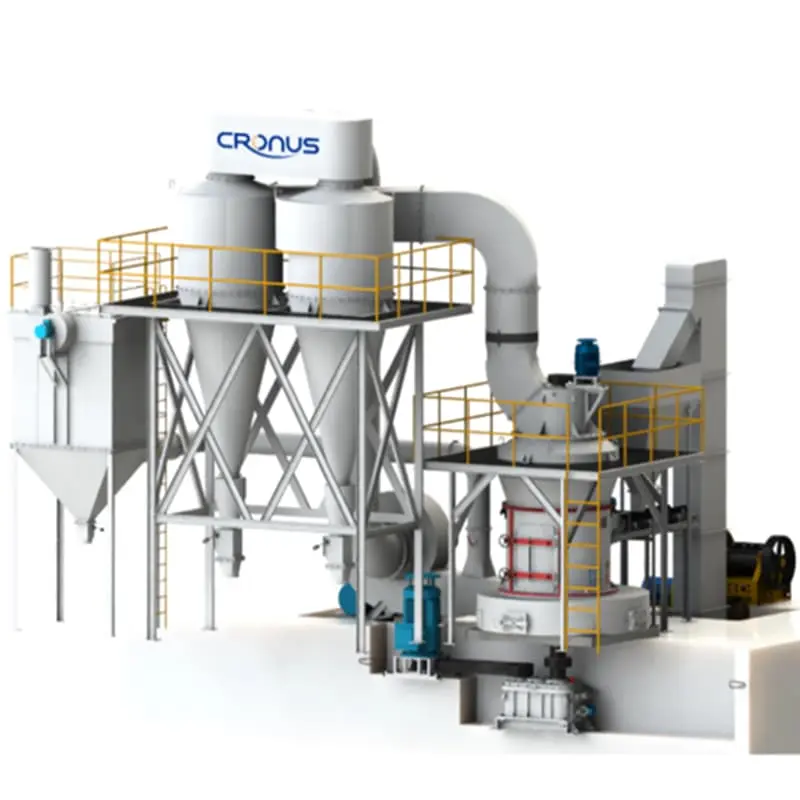
Working Principle of Ore Grinding Machine
Material Feeding
Ore with a particle size of ≤30mm is steadily fed into the grinding machine through the feeding device, ensuring precise and continuous operation.
Grinding and Classification
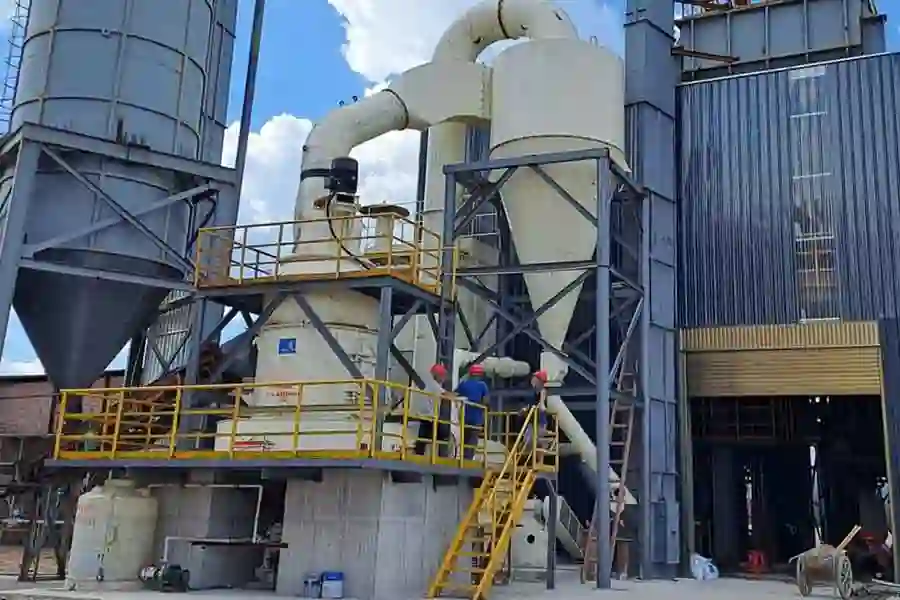
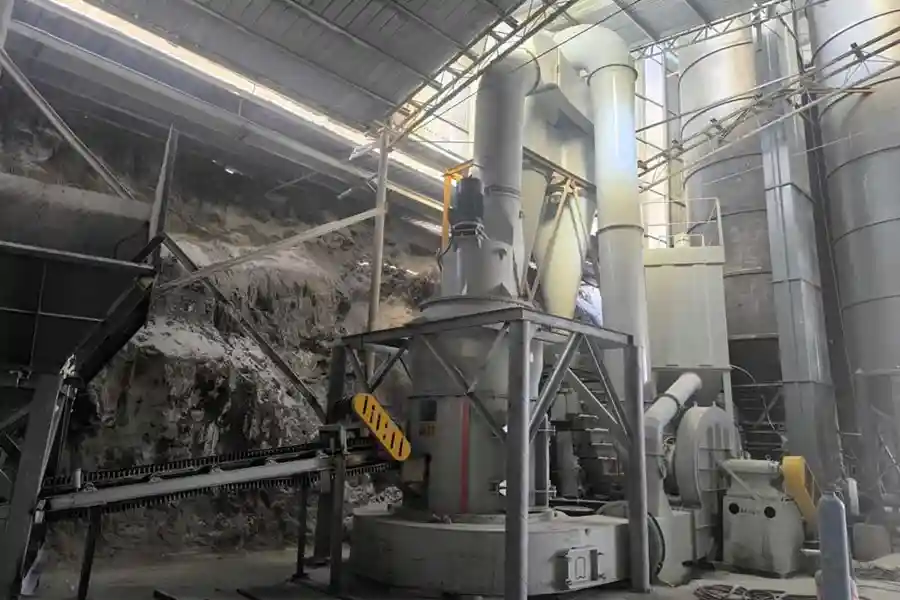
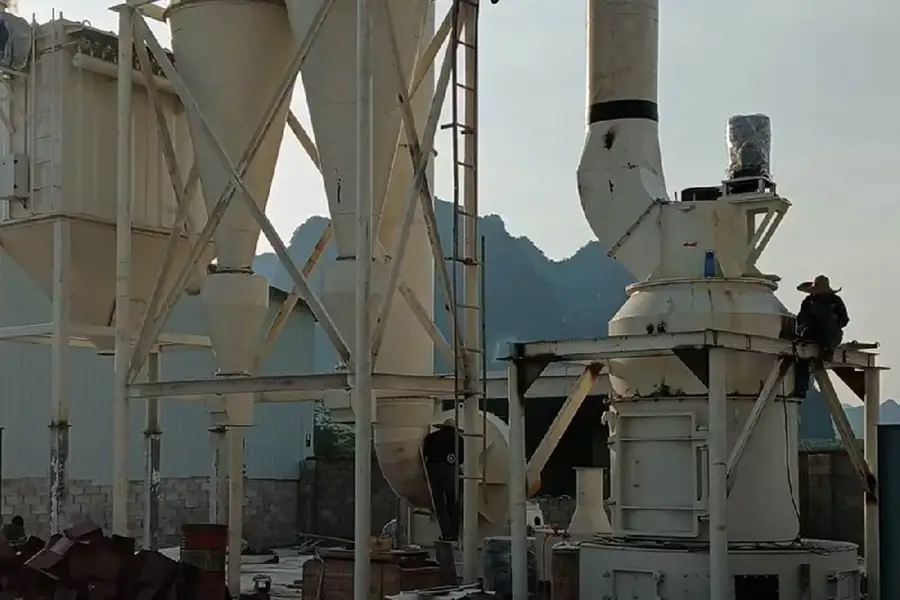
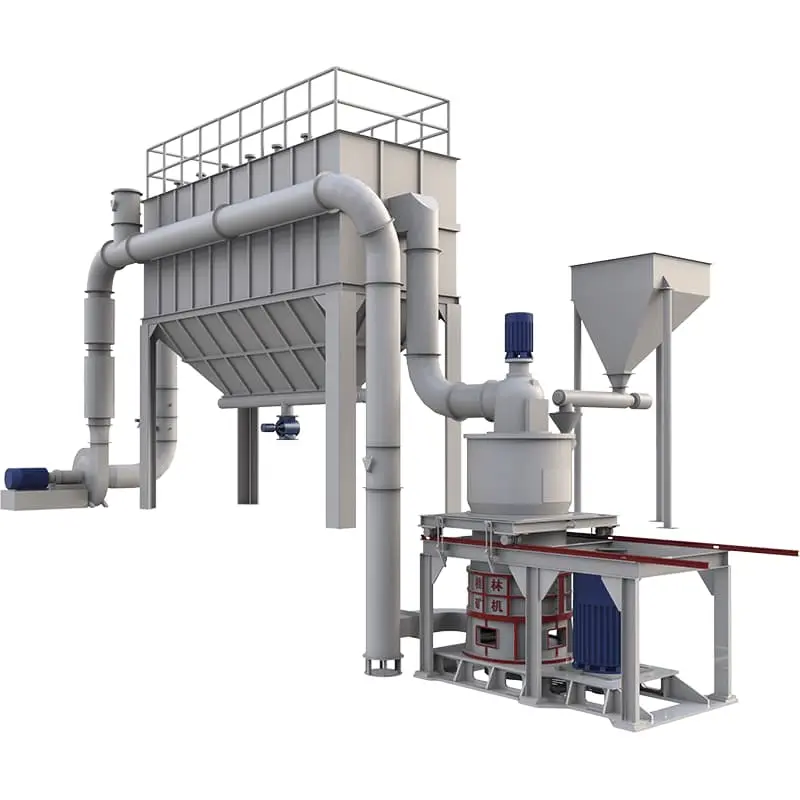
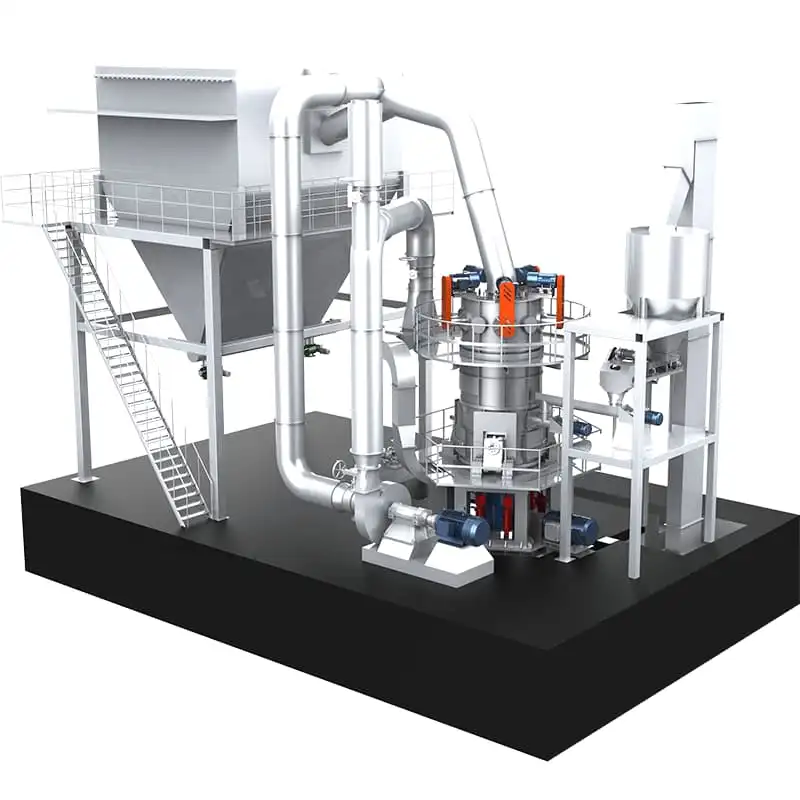
The grinding rollers work in conjunction with the grinding ring under centrifugal force to crush and grind the material, with high-chromium alloy materials ensuring efficient pulverization. A blower introduces air to carry the fine powder toward the classifier, where high-speed rotation screens the powder. By adjusting the rotational speed, the fineness of the powder is controlled. Coarse powder that does not pass through the classifier returns to the grinding disc for re-grinding, improving efficiency and product quality stability while avoiding resource waste and energy consumption.
Finished Product Collection
Qualified fine powder enters the cyclone separator, where it is separated from the air under centrifugal force and falls into the finished product bin. Ultra-fine dust is collected by a bag filter.
Application Areas of Ore Grinding Machine
Non-metallic Ores
The main application area includes limestone for the construction industry, calcite for papermaking and other industries, barite for petroleum drilling and chemical fields, among others.
Metallic Ores
Used in the grinding stage before mineral processing, such as iron ore, manganese ore, and chromium ore, to provide raw materials of suitable particle size for subsequent processes.
Other Ores
Phosphorus ore for agricultural fertilizers, carbon black for the rubber industry, clay for the ceramic industry, zeolite for environmental protection, and other fields.
Special Cases
Materials with a hardness above level 7 can wear down grinding rollers and rings, requiring other equipment. Excessively wet or sticky materials may cause clogging and require pre-drying. Materials sensitive to iron contamination require specialized grinding machines.
Usage Recommendations for Ore Grinding Machine
Pre-purchase Experiment
Conduct grinding experiments with representative ore samples to understand the equipment's processing performance.
Focus on Core Components
Choose grinding rollers and rings made of suitable materials based on the abrasiveness of the material.
System Compatibility
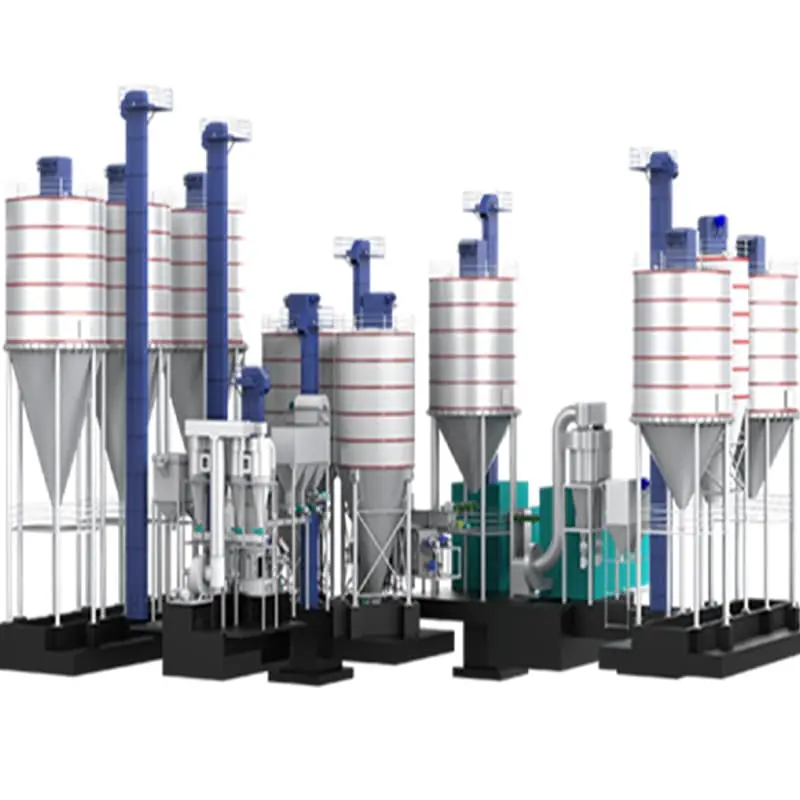
Ensure supporting equipment such as feeders, elevators, and dust collectors are perfectly matched with the main machine.
Environmental Requirements
Equip with efficient bag filters and pay attention to noise control.
Summary
The ore grinding machine pulverizes ore with a particle size of ≤30mm into fine powder through its feeding, grinding and classification, and finished product collection systems. It is widely used in the processing of non-metallic and metallic ores, among others. During use, equipment selection should be based on material characteristics, with attention paid to system compatibility and environmental protection.
- Previous:Raymond Mill for Processing Clay
- Last:Fluorite grinding mill

Telephone:
+86-18290113988 (whatsapp) Kase
+86-13248239223 (whatsapp) Cecilia
+86-19921225405 (whatsapp) Luna
+86-19921221418 (whatsapp) Li
Email:sales@shcronus.com
Back to Home

©2024 Shanghai Cronus Machinery Co,.ltd. All Rights Reserved. 沪ICP备2024089773号-1 XML地图
向下滚动页面显示"置顶"按钮...